 By Garen Hurley
Technology has changed how people approach fitness. Training is no longer limited to guessing effort or relying only on memory. Digital tracking, smart equipment, apps and wearable devices now help members understand progress, manage routines and make better training decisions.
For people evaluating the best gym singapore, technology can be an important part of the premium gym experience. It does not replace discipline or coaching, but it can make training more measurable, convenient and personalised.
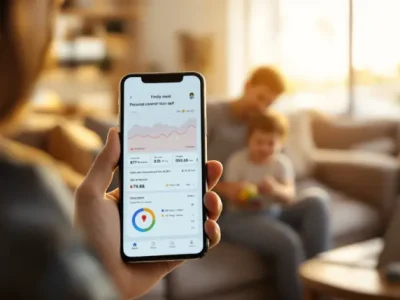
Digital tracking makes progress visible
One of the biggest challenges in fitness is knowing whether progress is happening. Weight on the scale does not tell the full story. A person may be getting stronger, improving stamina or recovering better even if body weight changes slowly.
Digital tracking helps make progress visible. Apps and wearables can record workouts, heart rate, steps, sleep, calories, distance and training frequency. These numbers create a clearer picture of effort and consistency.
For many members, seeing progress helps motivation. It turns fitness from a vague goal into measurable improvement.
Smart equipment improves training feedback
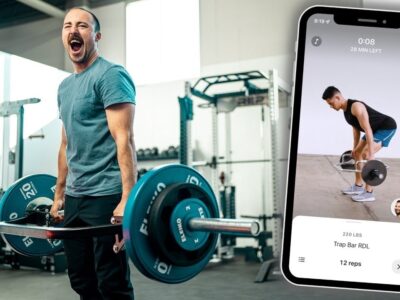
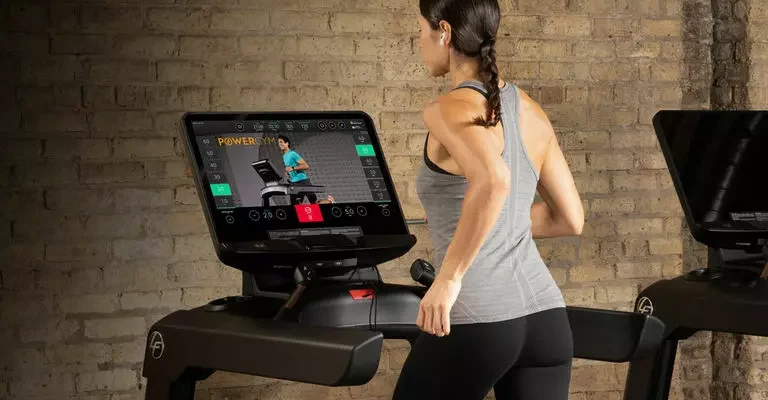
Modern fitness equipment can provide useful performance data. Cardio machines may show speed, resistance, distance, output or heart rate. Strength systems may help users track resistance and repetitions. Indoor cycling equipment may show cadence, power and effort zones.
This feedback helps members train more intelligently. Instead of guessing intensity, they can adjust based on data. A person can see whether they are working too lightly, pushing too hard or improving over time.
Smart equipment also supports goal based training. Endurance, strength, fat loss and conditioning goals all benefit from measurable effort.
Wearables connect gym training with daily life
Fitness does not happen only inside the gym. Daily movement, sleep, stress and recovery all affect results. Wearables help connect these areas by tracking patterns across the day.
A member may notice that poor sleep affects performance. Another may see that step count drops on busy workdays. Someone else may use heart rate data to manage cardio intensity.
This information can help members make smarter lifestyle choices. Gym training becomes part of a broader health system rather than an isolated activity.
Digital booking improves consistency
Premium gym experiences are also shaped by convenience. Digital booking systems allow members to reserve classes, check schedules and plan workouts more easily.
For busy adults in Singapore, this matters. If booking a class is simple, members are more likely to commit. A scheduled class becomes part of the day, much like a meeting or appointment.
Digital convenience reduces friction. The easier it is to plan and attend workouts, the more consistent members become.
Apps support personalised routines
Fitness apps can help members record exercises, plan training splits, track nutrition and monitor progress. When used properly, they can improve structure.
However, apps are most useful when paired with real training behaviour. A detailed app plan means little if workouts are skipped. The best use of technology is to support action, not replace it.
A fitness destination such as True Fitness Singapore can fit into this connected approach by giving members a physical environment where tracked goals can be put into practice through equipment, classes and structured sessions.
Technology can improve accountability
Many people struggle with consistency because they lose track of their habits. Digital tools can provide reminders, streaks and progress logs that encourage accountability.
For example, seeing that only one workout was completed in a week may prompt someone to plan better. Seeing a consistent training streak may encourage them to keep going. Small digital cues can influence behaviour.
Accountability is not about pressure. It is about awareness. Technology helps members see what they are actually doing, not what they think they are doing.
Premium does not mean complicated
A technology enhanced gym experience should not feel overwhelming. Too many metrics, apps and devices can confuse members. The best digital tools are easy to use and clearly connected to better training.
Members do not need to track everything. They can focus on a few meaningful measures such as workout frequency, strength progress, heart rate trends, sleep quality or class attendance.
Premium technology should simplify training, not make it feel like another job.
Human guidance still matters
Technology provides data, but humans provide context. A wearable may show a high heart rate, but it may not know whether the member slept badly, had a stressful day or is recovering from soreness. Smart equipment may show output, but it cannot fully judge movement quality.
This is why human guidance remains important. Trainers, instructors and experienced support can help members interpret data and apply it wisely.
The strongest gym experiences combine technology with professional judgement and member awareness.
The future of gym experiences is integrated
Fitness technology will continue to develop. More equipment, booking systems, apps and wearable platforms will likely become connected. Members will expect smoother experiences, better data and more personalised support.
The future premium gym is not only about luxury appearance. It is about integration. Facilities, technology, coaching and convenience should work together to help members train better and stay consistent.
For Singapore’s tech comfortable population, this integrated experience can make fitness feel more accessible and modern.
FAQ
I use a smart watch, but the data sometimes confuses me. Which numbers should I focus on?
Start with workout consistency, heart rate trends, sleep and recovery patterns. You do not need to track every metric. Focus on data that helps you make better decisions.
Smart equipment shows my output is lower than others in class. Should I worry?
No. Compare your data with your own past performance, not with everyone else. Fitness levels, body size, experience and goals are different. Personal progress matters more than class ranking.
I book gym classes through apps but still skip them. How can digital tools help better?
Use reminders and plan backup sessions. Also avoid booking unrealistic timings. Digital tools support discipline, but the schedule must match your real lifestyle.
Can technology replace a trainer or instructor?
No. Technology can track effort and progress, but it cannot fully correct form, understand pain or adapt to personal context. Human guidance is still valuable, especially for technique and programming.
Conclusion
Digital tracking and smart equipment are shaping premium gym experiences by making fitness more measurable, convenient and personalised. They help members understand progress, plan routines and stay accountable.
For people in Singapore, the best approach is to use technology as a support system. When digital tools, quality facilities and human guidance work together, the gym experience becomes more effective and sustainable.