 By Garen Hurley
Technology has changed the way people access wellness. Students now discover classes online, compare options, book digitally, manage packages, and expect clear communication before they arrive. This shift is especially relevant for private yoga classes singapore, where personalization and scheduling matter as much as the class itself.
Private yoga is built around individual needs, and technology can make that experience smoother. Digital booking, online forms, goal tracking, reminders, and communication tools can help students and teachers plan better sessions. Still, technology is only useful when it supports real human guidance. A private yoga session depends on observation, correction, and trust, not just software.
Why Private Yoga Needs Better Scheduling
Private yoga often involves more coordination than group classes. The student and teacher need to agree on time, goals, location, and session focus. Without good scheduling, the process can become confusing.
Digital booking tools can reduce friction. Students can view available slots, request sessions, receive confirmations, and manage reminders. This makes private yoga easier for busy people who do not want long back-and-forth communication.
Convenience matters because many students choose private yoga due to limited time.
Personalization Begins Before the Session
A private yoga session works best when the teacher understands the student’s needs in advance. Digital forms or pre-session questionnaires can help collect information such as goals, injuries, mobility issues, stress levels, preferred pace, and previous yoga experience.
This helps the teacher prepare. A student with back stiffness needs a different plan from someone looking for stress relief or beginner instruction.
Technology can make this intake process more organized, but the teacher still needs to interpret the information carefully.
Online Discovery and Trust
Many students search online before booking private yoga. They want to know whether the studio offers one-to-one sessions, what the experience includes, and whether it suits their needs.
Clear digital information builds trust. A good page should explain who private yoga is for, what goals it can support, and how students can prepare.
Private yoga requires more commitment than a drop-in class, so students need confidence before booking.
Why Personalization Cannot Be Fully Automated
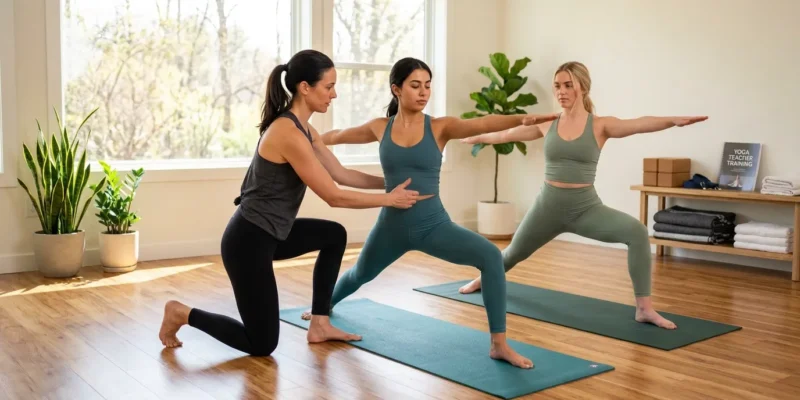
Fitness apps can suggest routines, but private yoga needs human observation. A teacher can see how the student moves, where they compensate, how they breathe, and how they react to certain positions.
An app may suggest hip openers, but it cannot always know whether the student is forcing the lower back. It may recommend core work, but it cannot easily see if the neck is straining.
Technology can support planning, but the teacher provides correction.
Tracking Progress Over Time
Private yoga can benefit from simple progress tracking. Students and teachers may note improvements in mobility, posture, balance, breathing, or stress response.
This does not need to be overly technical. A few notes after each session can help guide future classes.
For example, if a student reports better sleep after slower sessions, the teacher can include more evening recovery work. If back stiffness improves with hip mobility, that can become part of the routine.
Digital records make this easier to manage.
Reminders Improve Consistency
Consistency is one of the hardest parts of wellness. Digital reminders can help students prepare for private sessions. A reminder can prompt them to bring clothes, eat at the right time, hydrate, or arrive early.
This is especially useful for busy professionals who may forget wellness commitments during heavy workdays.
A reminder may seem small, but it reduces missed sessions and rushed arrivals.
Hybrid Support Between Sessions
Private yoga does not need to end when the session ends. Teachers may provide short home routines, breathing practices, or movement reminders. Digital tools can help deliver these instructions clearly.
A student may receive a short sequence to practice between sessions. This can support progress and keep the body engaged.
The most useful home routines are simple and specific. They should not overwhelm the student.
Wearables and Private Yoga
Some students use wearables to track stress, sleep, heart rate, or recovery. This information can sometimes help guide private yoga goals. If a student sleeps poorly after late intense sessions, the practice may need to shift. If stress levels remain high, more breathwork may be useful.
However, wearable data should not control the entire practice. The student’s lived experience matters. A device cannot fully understand emotional stress, joint discomfort, or body confidence.
Technology should support self-awareness, not replace it.
Privacy and Wellness Data
Because private yoga can involve personal health goals, students should be careful about what data they share and where it is stored. Studios and teachers should handle personal details respectfully.
Students do not need to share everything. They should share relevant information that affects safe practice, such as injuries, medical restrictions, or movement concerns.
Trust is essential in private wellness services.
The Future of Personalized Yoga
Private yoga may become more connected with digital tools. Students may book online, complete intake forms, receive personalized sequences, track progress, and communicate between sessions. This can improve convenience and continuity.
But the heart of private yoga will remain human. The teacher’s ability to observe, adjust, and support the student cannot be replaced by software alone.
For people in Singapore seeking personalized yoga with modern booking convenience and real teacher guidance, Yoga Edition can be part of a wellness journey where technology supports, but does not replace, one-to-one instruction.
FAQs
Should I fill out a pre-session form honestly if I have injuries?
Yes. Private yoga depends on accurate information. Hiding injuries, dizziness, surgery history, or pain can lead to unsuitable movements.
Can I ask for a short video routine after my private session?
You can ask. Some teachers may provide written notes or short practice suggestions. Make sure the routine is simple enough to repeat safely without supervision.
Is online private yoga as useful as in-person private yoga?
Online private yoga can help with convenience, but in-person sessions usually allow better observation and correction. If you are a beginner or have movement concerns, in-person guidance may be more suitable.