 By Garen Hurley
Technology has made fitness easier to track, understand, and maintain. Apps can record workouts, steps, heart rate, calories, sleep, habits, and nutrition. When used correctly, they can support a personal training gym singapore program by helping clients stay organized between sessions and giving trainers better information about progress.
Fitness apps do not replace coaching. They support it. A trainer provides guidance, form correction, program design, and accountability. Apps help record the details and reveal patterns that may not be obvious day to day.
Why Tracking Helps Personal Training
Personal training works best when progress is monitored. Without tracking, it is easy to forget what weight was used, how many repetitions were completed, or how the body felt during a session.
Apps make this easier. They can store workout history, track attendance, monitor activity, and show trends over time.
This helps both the client and trainer make better decisions.
Workout Logs Keep Training Organized
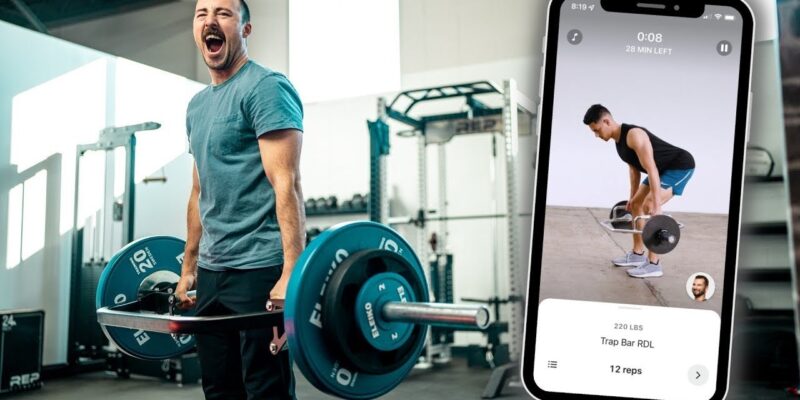
A workout log is one of the most useful app features. It records exercises, sets, repetitions, weights, rest times, and notes.
This helps clients see whether they are progressing. It also prevents repeated guesswork. If a person lifted a certain weight last week, they can aim to improve gradually.
For trainers, workout logs provide useful information for adjusting future sessions.
Tracking Attendance Builds Consistency
Consistency is the foundation of fitness. Apps can help clients track completed sessions, independent workouts, classes, and active days.
Seeing attendance patterns can be motivating. If someone notices they trained consistently for several weeks, it reinforces the habit.
If attendance drops, the trainer and client can identify why and adjust the plan.
Apps Help With Habit Awareness
Fitness progress is influenced by habits outside the gym. Sleep, steps, hydration, food, and stress all affect training.
Apps can help clients become more aware of these habits. They may track daily movement, water intake, sleep duration, or nutrition patterns.
This information helps connect lifestyle habits to workout performance.
Heart Rate Data Can Guide Intensity
Wearables and apps often track heart rate. This can be useful during cardio, conditioning, and recovery sessions.
Heart rate can show how hard the body is working and how quickly it recovers. Over time, improved recovery can suggest better fitness.
However, heart rate should be used as guidance. Stress, caffeine, sleep, and hydration can all affect it.
Strength Progress Becomes More Visible
Strength progress can be slow and easy to miss. Apps make it visible. Clients can see when they increase weight, complete more reps, improve volume, or perform exercises more consistently.
This creates motivation. It also shows that progress is happening even when physical appearance changes are not immediate.
Small improvements recorded over time can become powerful evidence.
Nutrition Tracking Can Support Goals
Some clients may use apps to track food. This can be helpful for fat loss, muscle gain, or general awareness. Tracking protein, calories, meals, or hydration can reveal patterns.
However, nutrition tracking should be used carefully. It should not create stress or obsession.
For many people, simple tracking is enough: protein with meals, water intake, and meal timing around workouts.
Recovery Tracking Prevents Burnout
Some apps track sleep, resting heart rate, readiness, or recovery. These metrics can help guide training intensity.
If recovery is poor, the trainer may adjust the session. The workout might focus on movement quality, mobility, or moderate effort instead of maximum intensity.
This helps training stay sustainable.
Communication Between Sessions
Apps can help clients stay connected to the training plan between personal training sessions. They can review assigned workouts, track completion, and note questions for the trainer.
This makes the program stronger because progress does not depend only on in-person sessions.
Between-session accountability helps clients stay active.
Apps Make Progress More Objective
People often judge progress emotionally. If they feel tired, they may think they are failing. If the scale does not move, they may think nothing is working.
Data can provide a more objective view. A client may see that strength is improving, attendance is consistent, and stamina is better.
This can reduce discouragement and keep motivation steady.
Avoiding Data Overload
Too much tracking can become overwhelming. Clients do not need to track every possible number. The best metrics depend on the goal.
For strength, track weights and reps. For fat loss, track consistency, food habits, and measurements. For stamina, track heart rate and cardio performance. For general health, track attendance and activity.
Tracking should make fitness clearer, not more stressful.
Trainers Help Interpret Data
Data alone can be confusing. A trainer helps interpret it. For example, a poor workout may be linked to low sleep, skipped meals, or high stress. A plateau may show that progression needs adjustment.
Apps provide information, but trainers provide judgment.
This combination is stronger than either one alone.
Setting Better Goals With Apps
Apps can help set measurable goals. Examples include completing three workouts per week, increasing a lift by a small amount, reaching a weekly step target, improving sleep consistency, or attending personal training regularly.
Behavior-based goals are especially useful because they are controllable.
A trainer can help choose goals that match the client’s plan.
Keeping Motivation Strong
Progress tracking can keep motivation alive. When clients see improvement, they are more likely to continue. Even small wins matter.
Apps can show streaks, milestones, workout history, and trends. These reminders help clients stay connected to their effort.
Motivation becomes stronger when progress is visible.
Technology Should Not Replace Body Awareness
Apps are useful, but clients should still listen to their body. Soreness, fatigue, mood, stress, and comfort matter.
A device may show good numbers, but the body may need rest. Or the numbers may look average, but the person may feel strong and focused.
Smart training combines data with body awareness.
Making Coaching More Effective
Fitness apps support personal training by improving tracking, communication, accountability, and progress awareness. They help clients stay engaged between sessions and help trainers make better decisions.
People who want structured coaching, gym facilities, and modern workout support can explore TFX Singapore as part of a training routine where technology and personal guidance work together.